
Designing a garden for Canberra's climate: frost, heat and everything in between.
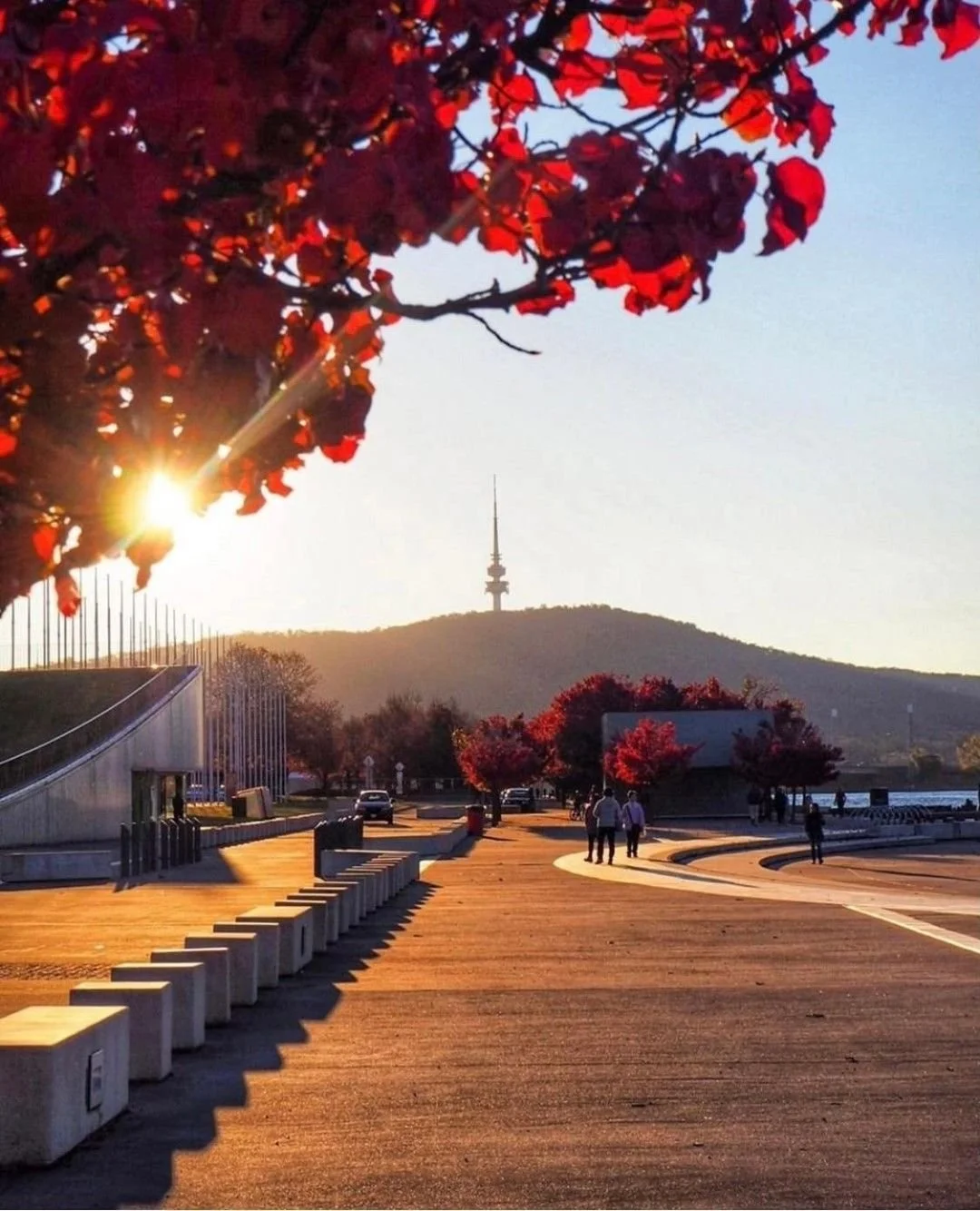
Canberra hands every garden the same brief, whether you ask for it or not. Cold, frost-bound winters. Hot, dry summers. And between them, days that swing from a frosted morning to a sharp afternoon in a matter of hours. It is one of the more demanding climates in the country to garden in and, when designed for properly, one of the most rewarding.
The mistake we see most often is a garden designed in spite of Canberra rather than with it: tender plants placed where the frost settles, lawns laid where the harsh summer sun scorches them, handsome schemes that look right for one season and struggle through the other three. A garden that lasts here is one that takes the climate as its inspiration. Good garden design in Canberra begins with the place, not the plant list or the Pinterest board, and that principle is the foundation everything at CLOVER is built on, so it's where this journal begins.
The conditions are the brief
Before a single plan is drawn up, it helps to understand what Canberra actually asks of a garden.
It sits high and inland, well above sea level, far from the sea's moderating hand, which gives it a continental climate of extremes rather than a coastal one of mildness. Locals will attest that winters are genuinely cold, with regular frosts that can run from autumn well into spring, and cold pockets that dip lower still. Summers are very hot and dry, with stretches in the mid-thirties and well beyond, low humidity, and the real possibility of drought and water restrictions. Rainfall is modest and never quite reliable. And on most days, the gap between the morning low and the afternoon high is wide, the famous Canberra diurnal swing.
None of this is a problem to be solved. It is simply the brief. Designed for, each of these conditions has an answer.
Start with aspect
The single most important decision in a Canberra garden is made before you choose a plant: which way it faces.
Aspect determines everything that follows: how much sun a bed receives, how long frost lingers in the morning, where the afternoon heat builds, which corner stays liveable in February and which stays bearable in July. A north-facing space holds warmth and light, and earns its place as the heart of the garden. A south-facing one stays cooler and shadier, better suited to ferns, shade-tolerant planting and a retreat from summer glare. East catches gentle morning sun; west takes the brunt of the hot afternoon.
Read the aspect first, and the garden almost designs itself: living spaces where the sun is kind, hardier planting where the cold collects, shade where the heat lands. Work against it, and you spend years fighting the site. It's the principle this journal takes its name from, and we'll return to it often.
Designing for frost
Frost is the condition newcomers to our town underestimate the most. It doesn't settle evenly, cold air behaves like water, flowing downhill and pooling in low, still corners. A dip at the bottom of a slope, or a bed trapped behind a solid fence, can sit several degrees colder than the ground a few metres away.
Good design works with that movement rather than ignoring it. Tender and frost-sensitive plants belong on higher ground, near warmth-holding walls, or under the partial canopy that buffers the worst of it. The coldest pockets are given over to genuinely hardy planting that shrugs off frost without complaint. Hardscape earns its keep here too: stone, brick and masonry absorb the day's warmth and release it slowly overnight, taking the edge off the cold for anything planted nearby.
Plant selection does the rest, and it deserves its own attention — the frost-hardy plants that actually thrive in Canberra gardens is where we go deeper on a palette built to take the cold.
Designing for heat and dry
The same garden has to carry you through summer, and Canberra's summers are not gentle. The design answers come down to shade, water and soil.
Shade is the first move. A well-placed deciduous tree is the most elegant climate device a garden has, throwing cool over a terrace in summer and dropping its leaves to let the winter sun back through. Beneath it, planting should be chosen to cope with heat and dry spells rather than depend on constant watering: deep-rooted, resilient species grouped by their thirst, so the thirsty plants sit together and the tough ones aren't drowned keeping them company. Mulch holds moisture in the soil where the sun would otherwise take it, and considered irrigation delivers water slowly, deeply, and where the roots actually are.
A garden designed this way doesn't merely survive a Canberra summer. It stays green, shaded and usable through the worst of it.
The soil underneath it all
Much of Canberra is built on heavy clay which is slow to drain, hard to dig when dry, and prone to holding water around roots that would rather stay dry. It's workable, but it is very misunderstood.
The answer is rarely to replace it and almost always to improve it: opening it up, building structure, and choosing planting that tolerates the conditions. Where drainage is genuinely poor, raised beds and considered grading move water away from where it would do harm. We've written more on this in gardening with Canberra clay, because it's the single soil question we're asked about most.
Plant with the place, not against it
Everything discussed thus far points to one principle: the right plant in the right place, chosen for the conditions it will actually live in. Plants suited to Canberra's cold-then-hot, wet-then-dry year will reward you for decades. Plants chosen for a photograph will ask to be rescued every season.
There's a particular case for leaning into the region's own character, the Bush Capital has a native palette built for exactly this climate, and used well it gives a garden a sense of place no imported scheme can match. We set out a starting palette in planting for the Bush Capital.
Designing for the swing
Finally, design for the diurnal range, the thing that makes Canberra, Canberra. A garden here has to hold a frosted morning and a hot afternoon in the same day, often across the same weekend.
That means outdoor living designed to be used right across it: a north-facing spot that catches a winter morning's sun, a shaded one that stays liveable in summer, structures that offer warmth at one end of the day and shelter at the other. The reward for getting it right is a garden you actually live in twelve months a year, rather than one you retreat indoors from for half of them.
Designed for this place
A garden that thrives in Canberra is never an accident. It is the product of reading the site honestly and factoring in its aspect, its cold pockets, its soil, its swings, and designing with all of it rather than against any of it. That is the whole of our approach: considered ground, made for the place it stands in and the people who live there.
If you're planning a garden that has to stand up to a Canberra year, we'd be glad to talk it through.